• Home
  • Disclosure Policy
  • My Pets/Pet Products Reviews
  • About Me/Media Kit
  • Movies/Entertainment
  • Aging/Disability
  • Fashion/Beauty
  • Recipes/Kitchen Reviews
  • 2025 Holiday Gift Guide
  • #Pittsburgh’s Kennywood & Sandcastle Discounts & Reviews

Tammie's Take~

Sharing The Best/Worst Of My World and Pittsburgh, Too

You are here: Home / Archives for doctor

Healthy Habits: 16 Things Every Woman In Her 60s Should Do

Reviews · October 10, 2018

Credit


As a whole species, humans hate change, which is why many of us find growing older so difficult. There are plenty of changes we have to deal with as we get on in life, some bad, of course, but also some good. Regardless of any of that, hitting our sixties doesn’t automatically mean a decline in health, despite what many people believe. In fact, our sixties is the perfect opportunity to try new things, explore new interests, meet new people, and so much more. After all, our kids are off having kids of their own now, so it’s time for us to have some fun. Here are sixteen things we should all do to stay healthy once we hit our sixties.

Watch What You Eat

When most people try to get healthy, regardless of their age, one of the first things they look at is their diet. Thankfully, this doesn’t change when we hit the grand age of sixty. For us sixty plus ladies, an ideal diet contains plenty of fruit and vegetables, oily fish, whole grains, and small amounts of lean meat and low-fat dairy. It should also be low in saturated fat. This can help to protect against a number of illnesses commonly associated with getting on in life.

Try Daily Multi-Vitamins

Sometimes even the healthiest of diets can be missing the right amounts of specific minerals and vitamins, especially once you hit sixty and we become prone to certain deficiencies. To remedy this, you should all consult with your doctor and learn how to get more of key nutrients you might be lacking in your diet. More often than not, taking a daily multivitamin can do the world of good. Just be sure to inform your doctor of anything you might start taking before you do.

Make Time For Exercise

Regular physical activity is necessary and vital regardless of your age. Unfortunately, many people make the mistake of assuming that it becomes less important and less safe as you grow older. This is far from the truth. In fact, exercise offers lots of health benefits for us women in our sixties, including weight control, stress management, and strengthening muscles and bones. With that in mind, we all need to make time to exercise for at least thirty minutes every day.

Wear The Right Footwear

Foot disorders and foot pain are common concerns for us older women, which means that, if you are going to be exercising regularly, you should make sure that you have the right footwear for the job. Trainers are a good option, as they tend to be more supportive than other types of footwear. Just make sure that whatever shoes you do choose fit you comfortably. Also, apply moisturizer to your feet and cut your toenails regularly to prevent dry skin and ingrown toenails.

Keep Your Mind Active

When it comes to health, your mind is just as important as your body. For this reason, you need to make sure that you give your brain a good workout now and then just like you do for the rest of you. Most people wrongly assume that us older ladies start to become forgetful and slow when we reach a certain age. However, regular brain training, using crosswords, sudoku, chess, and other mentally challenging games can help to keep our minds strong and prevent this.

Manage Your Stress Levels

Despite what many younger people assume, retirement isn’t always as carefree as it seems. In fact, retirees and other older ladies still have worry and stress just like anyone else does and, just like everyone else, this stress can lead to a number of health issues, including heart failure, stroke, and depression. To combat this and live healthier for longer, we need to manage our stress and reduce it by exercising regularly, sleeping properly, eating right, and meditating.

Credit

Get Plenty Of Sleep

Sleep is crucial for physical and mental health, but, as we get older, it becomes harder and harder to nod off. Thankfully, there are lots of things that we can do to sleep better at night. To start with, you should combat any external issues, like bed bugs. You can call in pest controllers to help with this. You should also make sure that your bedroom is quiet, dark, and relatively cool. Once you’ve done this, you should start to cut down on caffeine and exercise every day.

Ditch The Nicotine Addiction

Like caffeine, nicotine has the power to keep us up at night, massively deteriorating your physical and mental health. Smoking is also linked to a number of serious problems, including heart, lung, and gum disease, as well as cancer. It’s never too late to quit this habit and help is always available when you decide that you want to. As soon as you ditch the cigarettes, you’ll start to notice changes almost immediately, and you’ll likely live a long longer than you would have.  

Moderate Your Alcohol Consumption

Unfortunately, it’s not just a smoking habit that can cause your health to decline; Drinking too much alcohol can also have some pretty nasty consequences. That being said, we don’t need to give up alcohol completely to live a long and happy life. In fact, a glass of wine now and then can actually reduce stress levels, thus protecting us from the health problems that stress can trigger. With that in mind, you need to learn to moderate and control your drinking instead.

Brush Twice A Day

Sore and bleeding gums and gum disease are dental issues us older women commonly have to deal with. However, you can protect yourself by brushing your teeth twice a day and flossing at least once. This helps to remove plaque and bacteria from your teeth and gums. To avoid stains on your teeth, you should cut down on coffee and red wine or make sure that you swill your mouth out with water after drinking. Regular checkups with your dentist are also crucial.

Drink Plenty Of Water

Considering that most of your body is made up of water, it should be no surprise whatsoever that water is important for your health, but this is especially true as you get older. Drinking plenty will help to promote good circulation and deliver the nutrients you need all around your body. It also helps to remove toxins from your body and is important in metabolism and weight control. For this reason, we should all carry a water bottle around try to drink at least two liters every single day.

Look After Your Skin

Drinking lots of water also helps to keep your skin cells hydrated, plumping them up and reducing the appearance of wrinkles. As well as this, you should also moisturise daily and protect your skin from the sun by wearing sunscreen and staying inside during the hottest parts of the day. This will also help to prevent skin cancer. If you want a warm, summer’s glow, you should try fake tan instead of tanning beds, as these are also dangerous to your skin’s health.

Credit

Catch Up With Friends

Everyone feels lonely from time to time, but as you get older, leave work, and start spending more time at home, this feeling can get worse and worse, having an enormous negative impact on your mental health and even begin to affect your physically. For this reason, you should make an effort to catch up with your friends and family regularly. You could even organise a girls holiday for you and your friends. Even a five-minute chat on the phone can make a difference.

Find A New Hobby

When you’re in your sixties and don’t have work to go to every day, you can start to feel at a loose end, resulting in boredom and loneliness. To combat this, you could consider where your passion and skills lie and find yourself a new hobby. This could be anything from a new sport to a new language. This can massively boost your mood and self-esteem, as well as providing an opportunity for you to meet new people and forge new relationships.

Attend Regular Check-Ups

As already mentioned, us older women have a number of health issues to deal with that those just a little bit younger than us don’t. These include sight deterioration, bunions, and even some pretty nasty diseases. While there is a lot that we can do to prevent and combat these problems, one of the best solutions is getting regular advice from a doctor. These professionals can advise you on any further steps that you could take, as well as offer medications and supplements.

Listen To Your Doctor

If you’re going to take the time to go and visit your doctor, you need to make sure that you actually listen to what they have to say and follow the advice and instructions that they give. Too many people forget to take their medication or just don’t bother in the first place, which doesn’t give it any time to actually do its job. Doctors are skilled and experienced professionals, so, if they’re telling you that you should do something, chances are, it’s for a very good reason.

Growing older doesn’t have to mean growing unhealthy. With the tips above, we can all stay happy and healthy throughout our sixties and beyond.
How to Support Elderly Parents without Taking Away Their Independence

Reviews · July 15, 2018

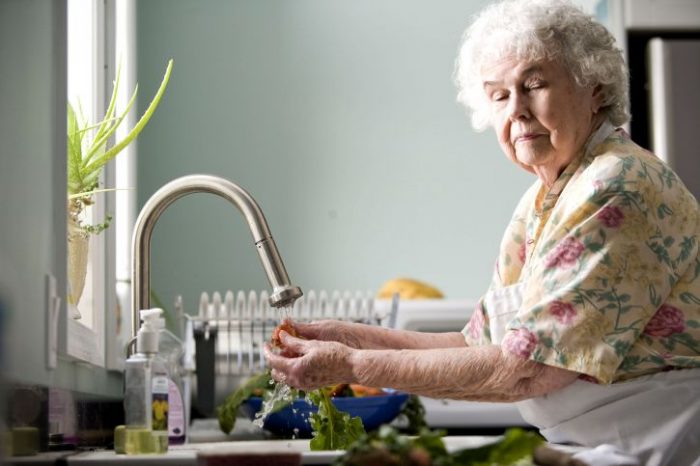
If you would like to help your elderly parent without interfering with their life, still making sure that they are safe at home and can manage everyday tasks, there are a couple of ways you can provide support without invading their space. The worst thing you can do is making them to go to a nursing home and lose the freedom and independence their current lifestyle gives them. Below you’ll find a few tips on how to keep them safe, but let them enjoy independent living.

Image via Public Domain Pictures

Day Care and Activities

It is a good idea to give your older relative a chance to socialize, especially if they are living alone. You can sign up for an elderly day care center that will pick them up a couple of days a week and take them out to the local park or community center. Remember that they will need a purpose in life, despite their reduced mobility.

Home Visits

If your older parent can do most of the things alone, but struggles with cooking and cleaning, you can get a home visitor to come and check on them every day. They can do their shopping, get their food cooked, and have a chat, breaking down the long days. A home visitor can also arrange home maintenance jobs and talk to contractors, so your parent will feel safe and doesn’t have to worry about being cheated or forgetting about something. Check out nursing care options from Riddle to find out more about the personalized packages available for elderly people.   

Granny Annex

If you feel like you’d rather keep an eye on your older relative, you can build a prefabricated home for them on your property. They will be independent, but you can simply walk over or send the kids there to check on them. They can stay independent and feel safe knowing that you are only a few minutes away. If you work from home most of the time, you can also save money on nursing and care costs.

Home Modifications

Image via Pixnio

Sometimes mobility aids and security improvements in the home will make a huge difference in older people’s lives. If you want to help them, get the bathroom and kitchen adjusted to their needs. Don’t forget to install warning bells around the house, if they have a health condition that can cause seizures.

Regular Checkups

It is also crucial that your parent gets regular checkups and their health is monitored by medical staff. They can either visit them every week to take their blood pressure and carry out tests, or you will have to visit a specialist department at your local hospital. No matter which option you choose, you need to take responsibility for keeping the appointments.

If you have started worrying about the health and safety of your older parent, you can help them in a way that you don’t take away their independence and purpose in life. Sit down to discuss their options, and be understanding of their needs.

World-Class Healthcare While Seeing The World

Reviews · May 22, 2018

If you love to travel, then you are likely already aware that healthcare systems are different all around the world, and they are not always compatible with the care we receive from home. From the way that costs are calculated to how prescriptions are issued can change from country to country and not having a continuity of care services can make things all the more confusing. Here, we’re going to look at how you ensure you take care of yourself and manage your expectations of care, so you are always getting the same or similar kind of treatment you expect no matter where you are.

Picture

Being left out of supply

If you have a chronic illness like diabetes, heart disease, or something else then you are likely used to have your prescription meds with you wherever you go. Indeed, you can take your pills overseas with you to keep managing your condition in the way that you’re used to. Figure out how long you are going for and make sure you have enough of a supply to last the whole trip. Just make sure that you have a signed letter from your doctor explaining your prescription. It should be no surprise that airport security can be skeptical of people bringing drugs on a plane, but the letter should be enough to convince any.

The hospital visit

If you are injured or you get ill overseas, you might be concerned as to how you’re going to deal with the medical bills. Travel insurance can help you cover it but there’s a good chance that the cover you’re already on could do the same at a lower cost to you. In particular, if you’re on Medicare, Medigap plans C, D, F, G, M and N all cover travel emergency health. Compare supplement plans, which can help you save on many costs at home as well as overseas. Otherwise, you may well find yourself paying out of pocket for any treatments.

The local baddies

It’s a good idea to do your own research on local health risks when traveling abroad. You can get nasty bugs from drinking water or eating street food in the wrong places. Most concerning of all, however, will the viruses you might contract overseas. Even if they’re not extremely common, you can never tell when outbreaks of diseases like Yellow Fever can strike in a country that has the mosquitoes that carry it. Check out the list of vaccines you should organize before taking any trip abroad. Most vaccines are relatively cheap and the costs treatment against some of these diseases can be huge and ongoing. It’s not worth taking the risk of going without.

You can ensure that your insurance covers you, that your prescriptions work the same, and that you avoid the most dangerous of diseases you might catch overseas. If you need treatment across the pond, how you receive it may change depending on where you are, but you can ensure it all fits the pricing model you’re familiar with.

What Can You Do When a Doctor Doesn’t Give You the Right Treatment?

Reviews · May 4, 2018

No one imagines that when they go to their doctor and receive treatment from them, that they might eventually find out that the doctor took the wrong actions. Everyone makes mistakes, but the risks are high when it comes to your health, so mistakes are not really acceptable. If you’ve suffered as a result of a doctor providing you with the wrong kind of treatment, you’re probably wondering what you can do next? Well, read on to learn more about the correct steps to take.

Focus on Getting the Right Treatment First

Nothing matters more than getting better, so this is what you should focus on before anything else. If you’re not in good health, you’ll never be able to get justice for what’s happened to you. That might not be what you want to hear right now, but that’s the truth. So start off by seeking out a new doctor who you can really trust as you try to get better.

Image Source

Keep and Collect Your Evidence

If something bad has happened to you as a result of you not getting the right care and treatment from your doctor, there is probably some kind of evidence out there that proves it. You should do your best to see out that evidence and put it together in a coherent way. This is something that you might not be able to do by yourself though, which brings us into the most importantly point.

Contact a Lawyer With the Relevant Experience

If you’re the victim of medical malpractice or mistreatment at the hands of a doctor, you need to be able to pursue them with the law. So finding a lawyer who’ll stand by you and take legal action to the guilty party is vital. Head to tittlelawfirm.com/lawsuits/medical-malpractice to find a lawyer if you’re serious about all this. You can’t afford to ignore it for a second longer.

Prepare Your Case

Next, you need to prepare your entire against the doctor who treated you incorrectly. This is not easy to do but it can be done. So it’s up you you act fast on this so you can avoid the case passing into a state of disrepair. Often, cases become less noteworthy as time passes, and means you can struggle to get the outcomes you’re looking for.

See if You Can Get Compensation

The ultimate aim of all of this is to get compensation. You shouldn’t forget that fact as you push ahead. Your finances can really suffer if you suffer physically and can’t earn a living, so getting compensation can really help you get past all that and ultimately return to normal.

We all expect to get the best treatment from the doctors we trust, but it sadly doesn’t always turn out that way. If you’ve had a negative experience with a medical professional, you should feel fully within your rights to take action and ultimately get the justice you deserve. You don’t have to feel completely powerless.

Categories

Design by SkyandStars.co

Copyright © 2026 · LovePeace Theme by SkyandStars on Genesis Framework · WordPress · Log in