• Home
  • Disclosure Policy
  • My Pets/Pet Products Reviews
  • About Me/Media Kit
  • Movies/Entertainment
  • Aging/Disability
  • Fashion/Beauty
  • Recipes/Kitchen Reviews
  • 2025 Holiday Gift Guide
  • #Pittsburgh’s Kennywood & Sandcastle Discounts & Reviews

Tammie's Take~

Sharing The Best/Worst Of My World and Pittsburgh, Too

You are here: Home / Archives for puppy

7 Things to Consider Before Bringing Home Your First Puppy

Reviews · November 4, 2020

Puppies are adorable and bringing one to your home can change your life forever. They can bring so much joy, happiness, and love to your world. But having a puppy is a big responsibility which shouldn’t be taken lightly. There are various things that first-time pet owners fail to consider when they adopt an animal. In the case you write a story about your puppy ask experts from an essay writing website to make your story more interesting and creative. So, if you are planning to welcome a little ball of fur into your home, you need to consider the following seven things first:
  1. Do You Really Want A Puppy?

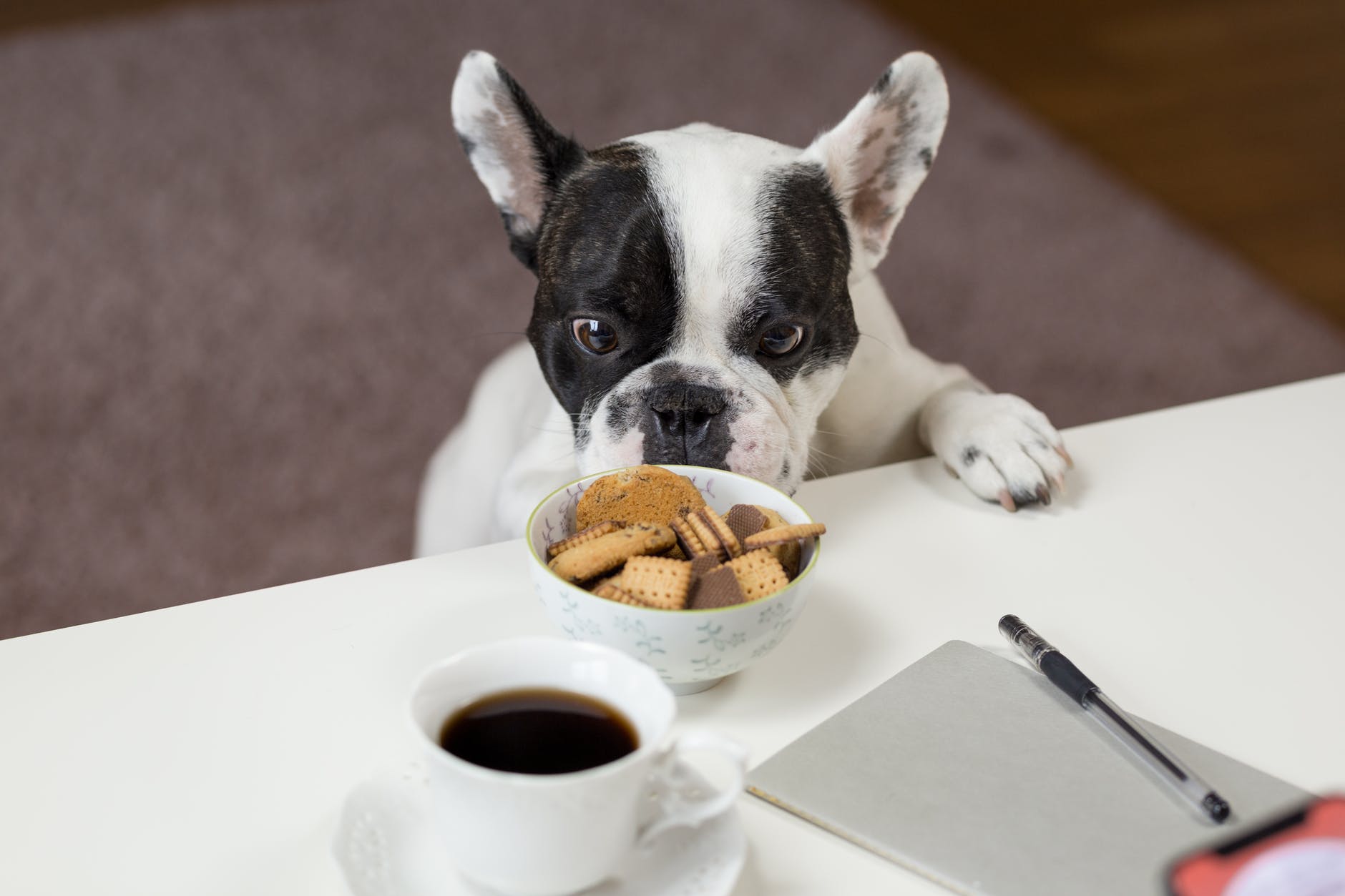
Puppies are fun and extremely rewarding, but owning one can also be very time-consuming. As with a human child, a higher level of commitment is needed to raise a puppy. Young puppies need to be fed almost 3-4 times a day and taken outside to pee and poop. They need to be house trained and socialized as they can be quite destructive and chew everything in your house. Also, a young puppy cannot be left alone for more than a couple of hours.


Can you handle being woken up multiple times during the night? Are you able to spend several hours a day taking care of your puppy? If you want to adopt a puppy, get ready to spend so much extra time, especially in the beginning. But if you have limited time on hands and still want a dog, consider getting an adult dog.

  1. Which Puppy Is Right for You?

Once you decide that you want to adopt a puppy, you have then to figure out what kind of puppy is right for you. Consider what you are looking for in a puppy like preferable traits, size, or breed. You can even consider additional factors, such as diet, supplies, exercise, temperament, energy level, and possible health issues. Give thought to hair coat type as well. Can you deal with shedding or do you want a dog that sheds very little? Dogs that shed very little often need to visit the groomer. Are you ready for this too?

  1. Where to Look for Your New Puppy?

Next, you need to decide where to find your new puppy. If you have your heart set on a mixed-breed dog, consider visiting your local animal shelters or rescue groups. To adopt a purebred dog, you need to be really careful. Seek out a responsible dog breeder having a good reputation. Don’t go for backyard breeders. Avoid buying from pet stores because their dogs often come from puppy mills. Also, it is not safe to buy dogs from a flea market or a classified ad since their dogs have unknown histories and can be harmful. Once you find the right puppy for you, you’ll have a true friend for life.


  1. Have Your Done Puppy-Proofing of Your Home?

Before you bring your little friend to your home, you need to make sure that every area of your house is safe. Puppy-proofing is important not only for the safety of your puppy, but can also give you the peace of mind. Get an idea of puppy-eye-view of your house and find everything that can hurt it. Hide all electrical cords as well as breakable items.


Cabinets containing food, medications, chemicals, and other household items should be secured with locks. Place your houseplants very high up where your puppy cannot reach. Keep your puppy in a crate when you are not at home. All in all, you need to supervise your puppy all the time for its safety.

  1. Do You Have Essential Puppy Supplies?

Right from the beginning, your puppy will need plenty of items for its well-being and help. Some important items include a leash, adjustable collar with ID, water and food bowls, food, comfortable dog bed, crate, and a few chew toys. You should also get a brush or comb suitable for your puppy’s coat. Only a few of these items last as your puppy grows but many will be replaced later.

  1. Have You Found the Right Veterinarian?

You should search for a good vet before bringing your puppy home. Within a few days of getting your puppy, you should bring it to the vet to have a physical examination. Even if there is no vaccine pending, the vet should ensure there are no health issues with your puppy. You can find a good vet by asking around and research. Find a veterinarian with a stellar reputation and affordable charges. On your visit, the vet will talk about your puppy vaccination schedule that must be followed to keep it healthy and safe.


  1. Can You Raise a Puppy Rightly?

Puppies need special care and attention to make sure they grow up healthy. Go for the healthy diet created particularly for puppies. Start house training right from the instant your puppy arrives. But don’t be too strict as it may take a few weeks to months. Take your puppy to different places but make sure it only interacts with healthy, vaccinated dogs. Attend puppy training classes to help your puppy learn.


Set up a routine that includes exercise and some fun games too. If there are multiple people in your house, define their duties as well. Make sure you all work together in training and raising your puppy in the right manner. If there are kids in the house, teach them how to behave around dogs. In the case of some other pets in the home, make sure they are well-supervised at all times.

But most importantly, make sure that getting a puppy is a wise decision for you, your living condition, and your family – not just now, but for years to come.

3 Things You Should Do When You Bring Your New Dog Home

Reviews · February 14, 2020

Adopting a new dog is such an exciting time! That being said, bringing your new pup home is only the first step on the road to helping him or her acclimate to their new life. It can be an overwhelming adjustment for some dogs, particularly if the one you have adopted is a rescue.

In order to make the transition as smooth as possible, here are three things you should do so that your dog can get a happy and healthy start to his new life.

1. Prepare Your Dog’s New Home

Are you planning to crate train your dog, or will he sleep on a fluffy bed at the foot of yours? Do you have the right size water and food bowls for your dog’s breed? There are so many supplies that you’ll need to get ahead of time to make sure that your dog has everything he’ll need to settle in.

Start by making sure you have enough toys for your dog to play with so that there is no confusion about what things in your house are appropriate to chew on. Make sure that you also invest in a good leash for all of those walks that you’ll be taking together.

2. Take Your Dog to the Vet

Taking your new dog to the vet as soon as possible might sound a little far baby

fetched. After all, it is likely that he or she received any necessary medical care wherever they were being cared for before. That being said, it is important to have your pet registered with a veterinary office as soon as possible in case something unexpected comes up. Most veterinary offices want to do a physical checkup on new pets to make sure all is well.

Furthermore, you need to ensure that your dog has received any and all necessary vaccinations. If you have adopted a puppy, they might have not had all of the shots that they’ll need to ward off any harmful illnesses. Thankfully, there are plenty of experts, like those at easyvet Frisco, who will help guide.

3. Set Boundaries

It can be very tempting to let your adorable new housemate take over and do whatever he or she pleases around the house. Unfortunately, taking this attitude, especially with young dogs, can have some serious consequences.

It is important to establish right away that the dog is not the head of the household. If there are any areas in your house, such as a baby’s room, that you want your dog to stay out of, then you need to make that clear as soon as possible. If you don’t want your dog to make himself comfortable on the furniture, this is another boundary that must be established quickly.

Lastly, setting a firm schedule right away regarding food times and walks will go a long way in helping your new pet settle and help them find comfort in their new and loving home.

7 Tips to Make Your Garden Pet-Friendly

Reviews · May 14, 2018

If you like gardening and you have pets, the two can come in the way of each other, as dogs love to dig and cats often nibble at plants, especially young kitties. And if you have bunnies, your vegetable garden is never safe from them! So, how do you counter this? With the help of the following seven tips, of course.

Make Sure All Your Plants are Safe

You may not appreciate your baby plant being chewed by your dog, but pets are always going to be a priority over any plant, so make sure that whatever you do have growing in your garden is safe for your pets. Check out this list of poisonous plants to avoid poisoning your pets.

Flowing Water

Flowing water is safer to drink and swim in for pets than stagnant water, as stagnant water might also be the perfect breeding ground for mosquitoes and other pests. Even if you don’t have flowing water in your garden, do make sure that there are at least one or more bowls full of fresh water in the garden for your pets to quench their thirsts.

Protective Fencing

If you have pet rabbits, they will inevitably be attracted towards your plants, and that does not bode well for your garden, of course! In order to prevent this from happening, put fences around your vegetable patch or any other section of the garden that has young plants growing in it.

Divert the Digs

Dogs cannot and should not be stopped from digging because it’s in their nature to do so. Therefore, the best way to counter this is to divert their digging tendencies away from your plants. Make a sandy area in your garden, put some small rocks in there and just bury a few doggy toys in the ground to make the place seem ideal for digging.

Opt for Natural Pesticides

Pesticides are poison and they are best avoided, but if you don’t use any, it will result in your garden being infested by insects, weeds, and other pests that can ruin your plants in mere days. So, the solution lies in using natural, safe pesticides over chemical products that can harm pets, children, and even adults.

Small Cedar Mulch is Puppy Safe

Small cedar chips make for good mulch and won’t hurt your dog’s skin or paws if they decide to spend time playing in the mulch! Chewing is a bad idea though since that can lead to toxic reactions when consumed in large amounts.

Edging Protects Your Plants from Pets

A combination of edging and clicker training will teach your dog the concept of boundaries and being creatures of habit, they will always respect that boundary between your backyard and your garden bed.

For more advice on all things related to gardening, pest control, farming and landscaping, head over to Love Back Yard. You would be surprised how much an expert source of knowledge, guidance, and information can help you get the best out of your gardening endeavors.

If you loved these tips, share them!

Puppy Onboard: Travel Tips For Dog Owners 100%

Reviews · April 4, 2018

https://pixabay.com/en/dog-pug-car-shop-dog-cute-2454587/

Sometimes, walkies won’t be enough to get your dog from A to B. You might need to cross town with your dog and walking would be just too far, for instance. Or maybe you are leaving town for the weekend to go and visit some friends and family, and want to take your best friend with you. Worried that this means you will need to pay for expensive dog kennels to look after your pup? Thankfully, that isn’t always the case, as you should be able to let your dog travel with you. Here are some tips that can help you with that!

Build Up To Long Drives

If your dog has never been on a drive before, they may be likely to suffer from travel sickness. Dogs are just like humans in this respect, and the unusual movements and sensations that they feel while being driven around could make them feel quite ill! But that doesn’t mean that you will need to clean up dog vomit from your vehicle after every drive – most dogs will get used to being in cars and going for drives over time. So, if you know you have a long car journey coming up and need to take your dog with you, you should first take them out on some short drives. This gives them the chance to build up their stamina so that they are ready for the long drive.

https://pixabay.com/en/dog-small-dog-car-window-portrait-2413927/

Buckle Up

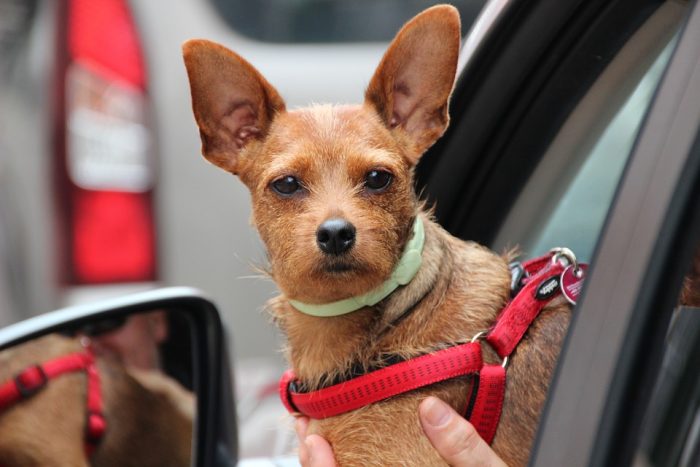
Your dog’s safety should be your number-one concern when they hit the road with you. Therefore, you need to make sure that they are always secure when in the backseat. You can now buy special dog harnesses that allows you to buckle them in to the car properly. When it is fastened, just make sure it isn’t on too tight or else it could hurt and irritate your pup.

Wear Your Pooch

Wish you could take your dog out with you on your bike rides? Well, now you can thanks to k9sportsack.com and their nifty little dog carrier backpack. These are just like the backpacks what parents use to wear their babies in. The only difference with these is that they have been created specifically for dogs. So, if your dog is small enough, you just need to pop them in and then strap them to your back!

https://pixabay.com/en/dog-car-ride-travel-1313241/

Get Them Microchipped

There are many different reasons why it is super important to get your dog microchipped, and you can read more about them at vetsure.com. But one of the main reasons is that it will be easier to find your dog if they ever go missing. Dogs can get stressed out easily while traveling, and this could cause them to run off. To make sure you don’t lose your pup for too long while out on the road, get them microchipped to ensure their safe return to you.

As you can see, traveling with your dog doesn’t have to always be so tricky. In fact, you and your pooch might enjoy spending all that extra time together!

Do You Know How To Put Your Dog’s Health First?

Reviews · September 4, 2017

PxHere Image Source: Happy dog caught playing in the field

So you’ve got a dog – yay! Whether you’re a new dog owner or have always had these beauties, you should know that keeping them happy and healthy should be your main concern. As cute, fluffy and smiley as they may appear, don’t take that as a sign that they’re healthy. Dogs need check ups at the vets just like we need them at the doctors, to make sure our bodies are running how they should. There are many things that you may not when it comes to looking after your dog.

If you want to know what – keep on reading.

Super foods

There are certain foods out there that are exceptionally good for your dog. These things help keep your pup fit and healthy, preventing any future problems and improves their bodily functions. The best super foods are chicken, turkey, eggs, mackerel, yogurt, spinach, kale, sweet potato, carrots, apple, raspberries and blackberries. If you include a small portion of a few of these different foods every day, you will have one happy puppy. 

Dangerous foods

Now you know the good foods, it’s important to know the bad ones too. Never let your dog get in contact with chocolate, grapes, raisins, macadamia nuts, caffeine, seeds, fruit pips, leeks, onions, alcohol or cooked bones. They can eat up becoming very sick, or even choking.

Eating alone

One way a lot of dog owners go wrong is giving their pup their food, and standing around watching or stroking them while they eat. Even if they do allow it, they don’t like it. Dogs prefer to eat in peace, not socially. You are the alpha because you’re the owner, right? So if you don’t leave them in peace to eat, they’ll be on the edge most likely waiting for you to steal their food off them. This means they may rush instead of taking their time, which isn’t any good for the digestive system.

Ticks and fleas

Ticks are horrible blood-sucking critters that fill themselves up on your dog’s blood and cause them quite a bit of grief. The same goes for fleas, but these reproduce 600 fleas within one month, leaving your dog totally infested with them. The best flea treatment for dogs can be from pills, spot on, creams and shampoos. Speak to your local vet and see what treatment they suggest is best for your dog.

Leave their bed

Your dog will want a warm and cuddly place to sleep in, and you need to make sure that you have everything that they’ll need like a bed, blanket and some teddys to snuggle with. Whatever you do though, don’t keep making your dog’s bed – even if it looks messy – that’s how they want it to look. You may see your dog circling the bed a few times before they get comfortable. This is just how we make our own beds. Mess with that, and they won’t want to rest there anymore.


  • 1
  • 2
  • Next Page »

Categories

Design by SkyandStars.co

Copyright © 2026 · LovePeace Theme by SkyandStars on Genesis Framework · WordPress · Log in