• Home
  • Disclosure Policy
  • My Pets/Pet Products Reviews
  • About Me/Media Kit
  • Movies/Entertainment
  • Aging/Disability
  • Fashion/Beauty
  • Recipes/Kitchen Reviews
  • 2025 Holiday Gift Guide
  • #Pittsburgh’s Kennywood & Sandcastle Discounts & Reviews

Tammie's Take~

Sharing The Best/Worst Of My World and Pittsburgh, Too

You are here: Home / Archives for safety

Requisite Safety Precautions Every Phlebotomists Should Take

Reviews · May 16, 2018

One of the first things phlebotomists learn while practicing their trade is the fact that the sight of blood should not astonish one. Those in the inner circles of the health profession consider phlebotomists as modern-day vampires whose trade appertains with everything blood-related.

They ply their trade in doctors’ offices, in hospitals and clinics. Given the sensitive nature of blood, phlebotomists have to take necessary precautions in order to comply with the necessary codes of conduct.

Patient-centric Precautions

When it comes to the sanctity of blood in hospitals, phlebotomists the ones charged with the responsibility of ensuring that all necessary protocols are complied with in order to protect patients.

Normally, phlebotomists first check their records to ascertain if patients have certain health conditions that limit the body regions blood can be drawn from. The next step is ascertaining that the patient is currently not under a form of medication that can prevent blood from clotting.

Once a patient is in the clear, the phlebotomist then proceeds to cleanse and sterilize the equipment going to be used for the operation. Washing hands and the donning of gloves is another important step necessary to ensure that the best conditions possible are facilitated. Other precautions include steps taken to ensure that patients don’t actually bleed under the skin and then dressing up the patient’s wound. To get the low-down on the nature of the phlebotomy profession, check out Phlebotomy Schools.

Phlebotomist-centric Precautions

There are numerous diseases like HIV and hepatitis that are easily transmitted by a needlestick, thus, phlebotomists need to take sufficient precautions in order to protect themselves from contamination.

Importantly, thanks to the Needlestick Safety and Prevention Act of 2001, safety needles nowadays come with built-in features to prevent accidental needle pricks from occurring. According to the College of American Pathologists, the precautions remain upheld as long as phlebotomists activate the safety devices.

Rules effected by the Occupational Safety and Health Administration (OSHA) recommend that phlebotomists take on an active role in the testing of safety equipment and deciding on which products they have absolute faith when it comes to ease of operation.

Labeling

In the medical fraternity, labels are essential since they help in ensuring that patients receive the right kind of blood that can’t harm their medical state of being. In addition, labeling helps ensure that patients on medication are able to receive the right kind of treatment necessary. If labeling did not exist, a lot of patients’ blood would go to waste.

Disposal

While drawing of blood is the main issue for phlebotomists, the job is never complete until the disposal is complete. The final precautionary act involves the phlebotomist disposal of the blood safely.

Safe disposal involves throwing all the remnant medical waste from the phlebotomy procedure in a bin. Items like bandages, syringes, gauzes, bandages, tourniquets are probable biohazards that need a lot of caution when handling.

The disposal bin should be a puncture-resistant container. As a rule of thumb, the disposal bin should be emptied regularly in order to lower the probability of blood-borne diseases emerging from a needle stick.
Safety Tips For The Elderly

Reviews · March 12, 2018

With an increasing number of seniors who prefer living independently, it is important to take the right measures and make sure they’re safe in all environments. Most people are only concerned about the elderly’s safety at home. While that is an essential aspect to consider, they should not forget about their outdoor safety. All kinds of accidents can happen due to the absence of mind or poor weather conditions, for example, slipping on ice during winter months. On the other hand, car accidents are more and more frequent these days. Unfortunately, children and older people are the most inclined to personal injury.

However, there are a few useful tips that everyone can consider when it comes to the safety of their aging parents, neighbors or just seniors in general. Here are a few of them!

Home Safety Tips

There are a lot of important measures that people need to take to protect their aging parents or relatives. They need to consider every single room and accessible space of the home and prepare accordingly. By doing that, they are able to prevent falls and other unwanted accidents. First of all, they could have a panic button that notifies the emergency services. Home accidents can be considerably decreased by installing rails in showers and tubs or by eliminating clutter. Another important thing to consider is whether there is enough lighting in the home or not.

Winter Safety Tips

During the winter months, the cold weather and the snow can have negative impacts on seniors. Sadly, falls are a common occurrence for the elderly, especially during winter months. These falls lead to injuries such as a hip or wrist fractures. Wearing shoes with good traction can significantly reduce this problem. They also need to remember to take their shoes off as soon as they return home to prevent creating slippery conditions because of the snow and ice attached to the soles. Lastly, dressing in layers when going outside and covering all exposed skin areas is essential in this case.

Outdoor Safety Tips

People of all ages are advised to be active and spend as much time as possible outdoors, but there are so many unexpected challenges that might appear. The hot temperatures, slipping on rainy days or even car accidents are just a few of them. Luckily, there is a solution to every problem. During summer months it is vital to drink plenty of water, wear sunscreen even when sitting in the shade and dressing accordingly. Sometimes, no matter how prepared you are, there might happen to be car accidents. In this case, it is important to get in contact with a law firm. Chester Law Group is a personal injury firm that knows exactly how to help you in these situations.

General Safety Tips

To maintain good mental health, they need to build a close circle of friends and prevent isolation. They can meet on a regular basis or just keep in touch over the phone. Keeping plenty of medication on hand is essential for those who are not able to move around easily. Hiring a nurse to come and check on them on a regular basis will prevent unwanted situations. Lastly, installing a home security system, an alarm system, locking the doors and windows and checking on them often makes them feel loved and stops potential dangers.

Every single individual should think about the safety of aging people around them. Taking these measures prevents injuries and makes them feel appreciated.

In Control of Your Home: How to Get Your DIY Career Under Way

Reviews · December 16, 2017

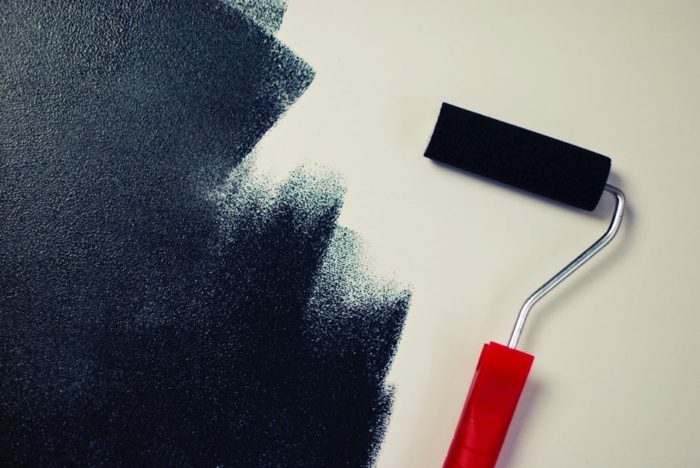
Everyone loves the idea of being handy at home DIY. If the sink is leaking, they want to be the one that fixes it. When it comes to redecorating the living room, they want it to be their handiwork that turns the room from drab to fab. Alas, there’s a reason why there are so many profession handypersons out there: most people are not able to do these tasks! If you’re one of these people, then don’t worry: just because you can’t do these tasks right now, that doesn’t mean they’ll be beyond your reach forever! Below, we take a look at how you can ease yourself into taking control of your DIY projects and, as a result, your home.

Source: Pexels.com

Shadow Helping Others

Later on down the line, you’ll come to understand that there isn’t all that much to DIY: anyone can do it! But to begin, you’ll have to spend some time in the DIY world, without any pressure on yourself. If you have friends and family who are completing their own projects, ask if you can shadow watch them, and have them talk you through the process of what they’re doing and why. There’s a wealth of information out there, and much of it lives in the heads of people we already know.

Learning to use the Tools

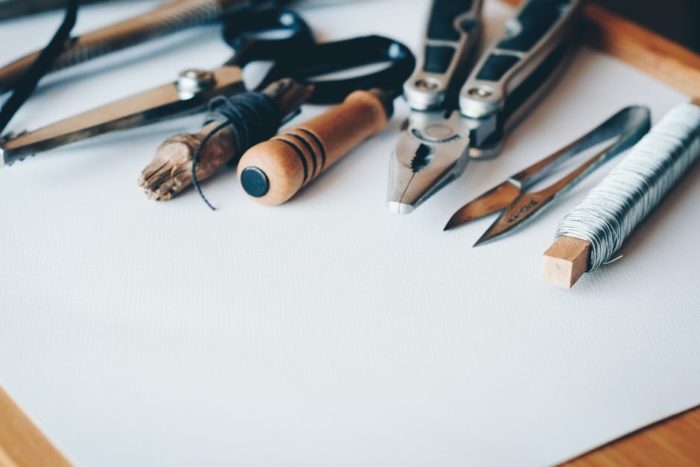
Of course, you can’t be an innocent bystander for your entire life. Eventually, you’ll need to get in the trenches and start helping out! If your friend that’s working on a project that involves tools, ask if they can show you how they work and when to use them. It can be intimidating to pick up a power tool for the first time, but it’ll be more straightforward if you’re picking up when you have an experienced handyperson next to you. Once you’re used to them, you’ll be able to start thinking about the own projects you can start.

Getting the Right Equipment

A worker is only as good as his or her tools, or so they say, and as a result, it’s important that you buy the ones that are right for you when you begin building your tool collection. If you don’t know where to start, take a look at Tool Nerds. There, you’ll find an overview of the tools that you’ll need to have, as well as advice on which ones will be the best for you to purchase. It’s crucial that you get the specific tool for a job because otherwise, you might find that it’s botched – and through no fault of your own.

Picking a Project

Now that you’ve got a grounding of the essential skills you’ll need and a set of tools at your disposal, it’s time to start thinking about getting your DIY career truly underway by tackling your first project. What this will be is up to you – and the needs of your house – but there is a word of warning: it’s essential that you start small. If you try to take on a project that’s too big, you’ll only end up in a confusing mess. Indeed, you may put yourself taking on any more projects before you’ve even completed your first one!

Online Resources and Other Help

Just because it’s called ‘Do it Yourself,’ that doesn’t mean you have to think of yourself as the complete handy person. There are many resources out there that can help you every step of the way during your project. Indeed, here’s a well-kept secret: a lot of the people who claim to brilliant at DIY projects actually get a lot of help from YouTube channels! This will be especially useful for you, a person in the early stages of DIY, as you’ll be able to walk along with someone else and will know pretty quickly if you’ve made a mistake.

Priority on Safety

You might be excited to get your hands on tools and start work, but remember that DIY projects, no matter how small, have the potential to be dangerous. And of course, this danger is only amplified when there are heights or powerful tools involved. As such, it’s important that you’re taking all the necessary safety precautions. Before using a tool, read up on the best practices. When you’re working in a room, make sure all obstacles and other hazards have been well cleared away. The rest is common sense: always keep an eye on safety!

More Ambitious Projects

It’s always important to think clearly about any major changes to your homes. It’s even more essential when you’re in charge of the task yourself! Some projects will have the potential to add value to your home, but some will actually make it harder to sell in the long run. As such, it’s worthwhile to look up the long-term effects of your project before you begin anything too ambitious.

Source: Pexels.com

Meticulous Planning

No matter if it’s the most DIY task or a more complicated project, arguably the most important step of the whole process will happen before you’ve even got to work. Everything is in the planning stages. Simply put, if you walk into a project with just a vague understanding of the result, you won’t end up with something you’re happy with. Make sure all your measurements are the like are watertight: it’ll be difficult to correct when you’re too deep!

How to Fix Errors

And talking of making mistakes: you are going to make them. Don’t worry, everyone makes mistakes in DIY, especially when they’re just starting out. If this happens, take a step back and assess the situation. Is it something that you can fix yourself, or will you need to get the professionals to help?

Smile on the Face

Ultimately, it’s important to remember that DIY isn’t supposed to be stressful, even though it can often like it. Try to have a relaxed attitude to the whole thing: it’s not that serious! Have fun, and you’ll be putting yourself under a lot less pressure to get everything right the first time.

Seven Things You Need to Know Before You Start Your DIY Kitchen Remodeling

Reviews · December 12, 2017

So you decided that it is time to fix that broken sink and get your kitchen plumbing sorted. You might be thinking about letting more light in your kitchen, or designing a breakfast bay that will make mornings more enjoyable. No matter if you are a beginner at DIY or want to show off your skills to your family members, you will need to be prepared for things to go wrong. Below you will find seven tips to make sure that your DIY kitchen remodeling will go smoothly.

Image by Pexels

  1.   Get an Online Design Tool

If you want your kitchen to be both practical and beautiful, you might want to get an online design tool or use one provided by your local DIY store. Take measurements and make sure everything fits perfectly in its place, so you don’t get unpleasant surprises. An online design tool can help you get the idea of how much flooring material you need, and avoid bumping your head in cabinets around your new kitchen from time to time. Allow enough space to open doors and drawers, and walk around the islands.

  1.           Compare Prices

Even if you are likely to complete all the work yourself, or with help from friends and family members, you will need to create a budget. Choose your kitchen design and check out the prices for modern ceramic butler sinks, taps, work surfaces, chairs, and refrigerators. Once you have selected the items you need, you can set a budget and prioritize your project phases. It is likely that your new floor and light fittings need to be installed first, followed by the units and appliances. If you need help with any plumbing work, ask for a price from a local professional to install your dishwasher, sink, and other items.

  1.           Choose Natural Materials

To reduce your home’s carbon footprint, you might want to choose long lasting materials that naturally occur in nature. Choose granite and stone, instead of plastic based surfaces. Find a flooring supplier that has real hardwood materials. You might think that a kitchen made of chipboard looks the same as a real wooden one, but it doesn’t last that long, and is full of chemicals that were used to keep the sheets solid and strong. If you are good at carpentry, you might get some reclaimed wood to build your cabinets or upscale kitchen units.

  1.           Allow Room for Adjustments

While you might have a clear vision of how your dream kitchen should look like, things can go wrong. If it costs too much to take your pipework to the other end of the kitchen, you might need to make last minute adjustments to your design. Stay flexible, so you don’t have to pay twice for the materials and units. If your kitchen is too large for the space, you will need to get it adjusted, and this can cause delays in your home improvement. Whatever your plan is, stick to it, but if it doesn’t work, have a Plan B in place.

  1.           Get Professional Help

Image by Wikimedia Commons

If you are not confident enough in doing the plumbing or electrical work, don’t risk your safety, but get help. A few hours work from a professional can save you a lot of headache, and help you keep your schedule.

  1.           Think Safety First

It is important to read safety instructions when working with electricity and water. Turn off all supplies before you start working in sensitive areas, and let your family know about the distraction. You don’t want them to turn the switch on and give you an electric shock. Never leave power tools around, or you will risk one of your family members getting seriously injured.

  1.           Take Care of Recycling

One of the things DIY people often forget about is recycling. You don’t want your old kitchen sink and oven staying around longer than necessary. Get in touch with companies that recycle home electrical and get your local recycling center to take your units. If you think that there are items that can still be used by other people, donate them locally through advertising online or get in touch with a local non-profit organization to help others less fortunate.

Getting a new kitchen installed is exciting. If you want to reduce the stress that comes with your DIY project, make sure that you design and plan everything carefully. It is not embarrassing to ask for professional help when you need it, and you can save a lot of time and hassle by getting the job done right the first time.


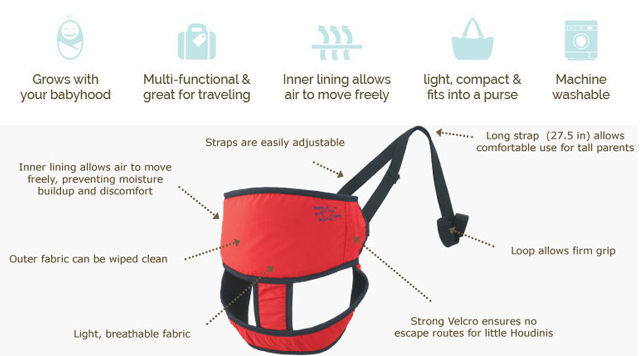
YochiYochi 3-in-1 Safety Harness Giveaway!5 Winners – $135 TRV!{ends 12/14}

giveaway · November 22, 2017

Sponsored By: Lucky Baby World

Hosted By: Love, Mrs. Mommy

5 WINNERS will receive:

A YochiYochi 3-in-1 Safety Harness! Can be used as a walking harness, portable high chair, and cart safety strap. $135 TRV Giveaway!

Open to US entrants only and must be 18+ to enter.
Giveaway Dates ~ 11/22 9:00AM EST through 12/13 11:59PM EST


Entry-Form


Disclosure: Love, Mrs. Mommy and all participating bloggers are not held responsible for sponsors who do not fulfill their prize obligations. This giveaway is in no way endorsed or sponsored by Facebook or any other social media site. The winners will be randomly drawn by Giveaway Tools and will be notified by email. Winners have 48 hours to reply before a replacement winner will be drawn. If you would like to participate in an event like this please contact LoveMrsMommy (at) gmail (dot) com.
  • « Previous Page
  • 1
  • 2

Categories

Design by SkyandStars.co

Copyright © 2026 · LovePeace Theme by SkyandStars on Genesis Framework · WordPress · Log in